Build Real AI Skills for the Next Generation of Technology Careers
The AIPathshala Program in Artificial Intelligence, Data Science & Applied Analytical Learning
Are you planning to build a career in Artificial Intelligence and Data Science — or explore opportunities in the global AI ecosystem?
Many students and professionals complete AI courses but still find it difficult to translate what they learn into real-world analytical work or a strong professional portfolio.
In today's AI-driven world, learning only tools or frameworks is not enough. You need practical experience working with real datasets, the ability to analyze complex systems, and strong problem-solving skills using AI methods.
Through guided projects and applied analytical work, participants develop the technical skills, analytical thinking, and professional portfolio needed for modern AI and data science careers.
We mentor, guide, train, and support participants so they can build strong and practical AI capabilities for the future.
This program is designed for individuals who want to build a promising and future-ready career in the rapidly evolving AI ecosystem.
AIPathshala is designed to help participants develop these capabilities through:
- Practical AI and machine learning training
- Hands-on work with real-world datasets
- Applied analytical problem solving
- Project-based learning and portfolio building
- Structured mentorship and career guidance
- Guidance for exploring global AI career and academic pathways
Why Most AI Courses Fail to Teach Real Skills
Artificial Intelligence is one of the fastest growing fields today.
However, many learners feel frustrated after completing AI courses because they still struggle to apply their knowledge in real-world situations.
Several common challenges exist in typical AI programs.
Too Much Theory, Too Few Real Problems
Many courses focus heavily on lectures and tutorials but do not provide enough opportunities to work on complex datasets and real analytical problems.
Learning Tools Without Understanding Systems
Students often learn libraries or frameworks but do not develop the ability to analyze complex systems using AI methods.
Limited Project Depth
Projects in many programs are simplified demonstrations rather than deep analytical work that reflects real-world complexity.
Lack of Mentorship
Many learners do not receive sufficient guidance on:
- structuring analytical workflows
- interpreting results
- presenting technical insights
- building a professional portfolio
A Different Approach
This program focuses on learning AI through applied analytical work and structured mentorship.
The goal is to help participants build real analytical capabilities rather than only theoretical knowledge.
Participants develop their skills by:
Complimentary Access to Global Learning Platforms
Participants joining the program also receive complimentary access to additional global learning platforms, including the Healers Harbor Conference Platform and Virtual AI Conferences.
These platforms host knowledge-sharing sessions, conferences, and discussions focused on emerging technologies, research developments, and innovation across multiple disciplines.
Learn by Working on Real Analytical Projects
The program emphasizes project-driven learning.
The program is built around hands-on, project-based learning. Participants engage with real analytical problems using complex datasets and systems spanning multiple disciplines.
Healthcare, Life Sciences & Medical Backgrounds
Projects for participants from healthcare, life sciences, and medical backgrounds explore areas such as neurodegeneration research and awareness, where AI methods are applied to topics including drug discovery pipelines, biological data exploration, and research-oriented analysis of neurological diseases.
Other project areas include:
Environmental and sustainability data analysis
Global economic and trade datasets
Policy and regulatory data studies
Supply chain and network system analysis
Another project theme examines rare earth element ecosystems across multiple countries, illustrating how similar AI techniques and analytical methods can be used to study complex global systems and large-scale challenges.
Through these projects, participants gain experience in:
- Structuring analytical workflows
- Identifying patterns and insights from complex datasets
- Communicating analytical findings clearly and effectively
AI & Data Science Skills Covered
Participants gain exposure to a wide range of modern AI and data science techniques.
Machine Learning Foundations
- Supervised learning
- Unsupervised learning
- Deep learning
- Reinforcement learning
- Predictive modeling
Advanced Analytical Methods
- Graph theory and network analysis
- Game theory concepts
- Time-series modeling
- Anomaly detection
- Statistical analysis
Applied AI Technologies
- Natural Language Processing (NLP)
- Computer vision
- Policy and regulatory data analysis
- Supply chain analytics
These capabilities provide a strong technical foundation for modern AI and data science work.
Learn from an International Network of Experts
The program benefits from insights and mentorship connected with scientists, professors, and industry experts from the United States, Europe, and India.
International Professors

Prof. John Rinzel
New York University

Prof. Bernard Ricca

Dr. Brooks Robinson
UCCS
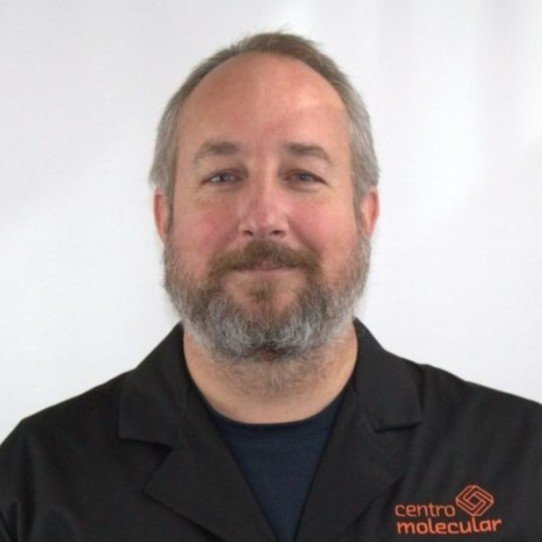
Dr. Alfredo Ghezzi
UPR

Dr. Elaine Ellerton
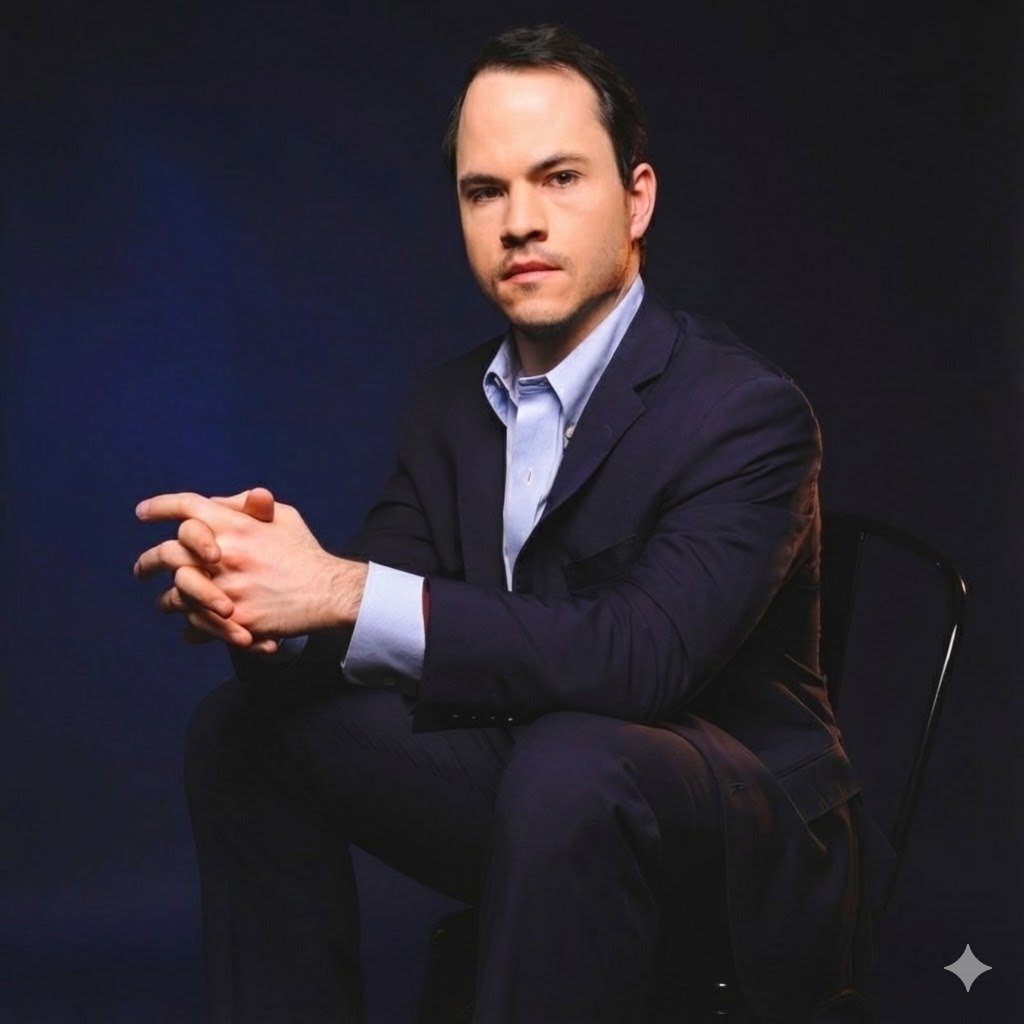
Kyle Laney
Scientists & Industry Leaders
Dr. Chetan Juneja
Former CTO, ATC; Former CIO, Times Group

Dr. Sukant Khurana
Founder & CEO, Ioncure; former researcher at UT Austin in neuronal computation, with collaborative PhD work with New York University in mathematics and Northwestern University in life sciences.
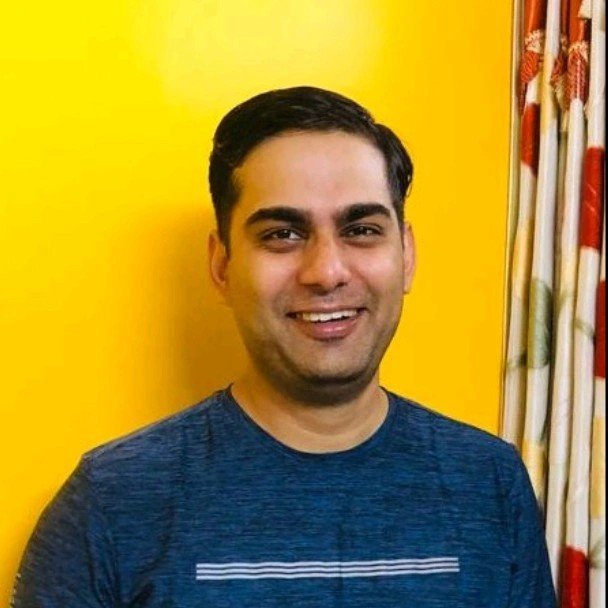
Dr. Aditya Thakur
Founder & CEO, Dentifrice Pvt. Ltd
European Research Collaborators
Dr. Helmut Köster
Dr. Megan Cannon
This global network provides exposure to international research perspectives and advanced analytical thinking.
Build a Portfolio That Demonstrates Real Skills
A major focus of the program is helping participants build visible evidence of their analytical capabilities.
These outputs help create a strong portfolio demonstrating real analytical work.
Participants develop outputs such as:
The Four Pillars of the Program
The program follows a structured development framework combining AI skill development, applied learning, and career preparation.
Professional Profile Development
Participants build:
- AI project portfolios
- Technical documentation and reports
- Professional online presence
- Structured evidence of analytical work
Exploring Career and Academic Pathways
Participants receive guidance on:
- AI and data science career opportunities
- Higher education pathways
- Research fellowships
- Global internships
Application Preparation
Participants receive support for preparing:
- Professional CVs
- Statements of Purpose (SOPs)
- Research proposals
- Outreach communication
Applications are designed to highlight analytical work and technical capabilities.
Interview Preparation
Participants prepare for:
- Technical interviews
- Research discussions
- Academic interviews
Mock sessions help strengthen confidence and communication skills.
Who This Program Is Designed For
This program is suitable for:
- Undergraduate students
- Master's students
- Recent graduates
- Early career professionals
- Individuals interested in developing AI and data science capabilities
Participants from these backgrounds benefit the most:
Explore the Program in Detail
For individuals who want to understand the program more deeply, detailed documentation explaining the program framework and methodology is available.
These materials provide information about:
- The program structure
- Analytical frameworks used in projects
- AI tools and data science techniques
- Statistical and mathematical foundations
- The broader goals of the initiative
Access the Complete Program Documentation
Open the full documentation folder to review the program framework, methodology, and supporting materials.
Program Fee
You only need to pay ₹10,000 per month to join this program.
The program runs for 10 months, making it affordable for students and working professionals.
This flexible structure allows you to invest in your future without financial pressure.
10-month program
Apply Now
If you want to develop practical AI skills and build a strong analytical portfolio, this program provides the mentorship and structure needed to grow.
Contact Us
Online Research & Training Program: AI-Driven Drug Discovery for Parkinson's Disease
Join a unique, hands-on research training program where artificial intelligence, computational biology, and biomedical science converge to tackle one of the most challenging neurological disorders—Parkinson's disease.
This program is designed for students and early-career researchers who want to gain real, practical experience in modern computational drug discovery while working with a team of leading scientists trained in the United States and Europe.
What Makes This Program Unique
Unlike conventional courses that focus only on theory, this program immerses participants in a live research environment. Students will learn how modern computational tools are used to analyze biological data and identify potential therapeutic solutions.
Participants will work with real scientific datasets, including:
- Genomic and transcriptomic data
- Protein structures and molecular interactions
- Drug and chemical databases
- Multi-omics datasets
- Lipid biology datasets
- Clinical trial databases
- Animal model research data
- Published biomedical literature
Using these resources, students will explore AI-driven strategies for discovering and designing new therapeutic molecules for Parkinson's disease.
Skills You Will Learn
Participants will receive guided training in multiple cutting-edge fields at the intersection of biology, computation, and medicine:
- Bioinformatics and Genomic Data Analysis
- Machine Learning and Artificial Intelligence in Biology
- Computational Drug Discovery
- Cheminformatics and Molecular Modeling
- Protein Structure Analysis
- Network Biology and Systems Biology
- Multi-omics Data Integration
- Drug Target Identification and Validation
Students will also learn how computational insights are translated into real experimental and therapeutic strategies.
Work With an International Scientific Team
The program is led by a team of top scientists trained in premier research institutions in the US and Europe, with expertise spanning:
Participants will gain exposure to the interdisciplinary thinking used in modern biomedical research labs and biotech startups.
Who Should Apply
This program is ideal for:
- Students in biotechnology, bioinformatics, computational biology, medicine, pharmacy, chemistry, or data science
- Master's and PhD students interested in AI-driven biomedical research
- Researchers seeking practical skills in computational drug discovery
- Students interested in neurodegenerative disease research
Basic familiarity with biology, programming, or data analysis is helpful but not mandatory.
What You Will Gain
By the end of the program, participants will have:
- Practical experience working with real biomedical datasets
- Exposure to AI-driven drug discovery pipelines
- Mentorship from international scientists
- Experience in interdisciplinary biomedical research
- Skills that are highly valued in global biotech and pharmaceutical industries
The Bigger Vision
The goal of this program is not just training—it is to build a new generation of scientists capable of using computational and AI tools to accelerate therapeutic discovery for complex diseases like Parkinson's.
Participants will gain insight into how data, computation, and biology can come together to transform the future of medicine.